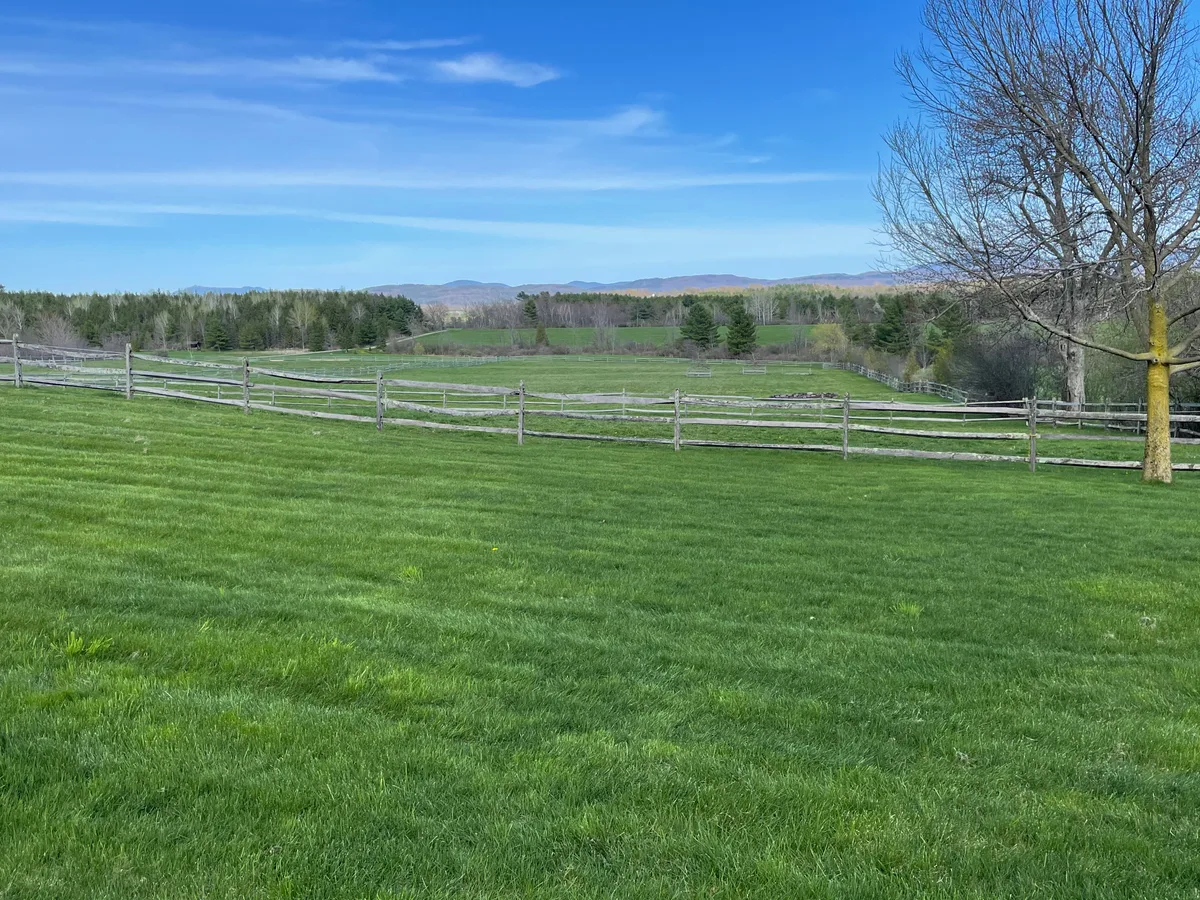
You canceled the old program or you stopped buying the neon bags, yet the grass still looks tired and you wonder if organic care can ever catch up. That doubt is normal. Synthetic programs often push fast leaf growth while soil life sits in the background. When you step away, the lawn has to rebuild roots, microbes, and steady nutrient release. In Manchester, Rochester, and across New Hampshire, we help homeowners trade shock for a plan that matches real weather and real soil.
What Changes When Synthetics Step Back
Conventional programs can mask low organic matter, pH drift, or compaction by feeding leaves directly. Remove the mask and the yard may look worse before it looks better. That is not failure; it is daylight. Organic work feeds the system that feeds the grass, so color builds on structure instead of a short spike. Expect at least one full growing season to read real improvement, sometimes two if winter salt, dogs, or shade stack the deck.
We still mow, water, and overseed on the same calendar basics you already know. The difference is that fertility stops guessing. Instead of chasing symptoms with another bag, you address limits the soil report names. That shift feels slower for a few weeks, then steadier for years.
Start With Numbers, Not New Bags
Before you buy anything with a picture perfect lawn on the label, pull soil data. The Organic Review is built for this moment. We sample, interpret lab language in plain terms, and walk the property for sun, drainage, traffic, and irrigation habits. If you recently used synthetic products, tell us timing so we read the test fairly. Jump to when to soil test a New Hampshire lawn if you want seasonal timing detail that pairs with this transition guide.
- Know your pH so calcium or sulfur suggestions are grounded, not copied from an online chart for another state.
- Track potassium and phosphorus so you are not doubling up nutrients that already meet sufficiency.
- Watch organic matter because it holds moisture and houses biology that makes slow release fertilizers actually work.
Cultural Habits That Speed Honest Recovery
Mow high enough that grass leaves shade soil and crowd weed seedlings. Water deeply when you water at all, favoring morning so leaves dry by evening in humid weeks. Reduce compaction on pet paths and along back gates by aerating when the soil is moist but not sticky, then a light compost top dress where it makes sense. These steps cost little cash yet they change how quickly organic inputs show up in color.
Finished compost from a trusted source adds organic matter without smothering crowns when you keep layers thin. Pair compost with overseeding in early fall for the biggest gain on thin zones. Spring top dressing can still help worn paths if you avoid burying grass too deep and if seed is not fighting summer drought right away.
If you are comparing calendars, the right time to start organic lawn care in New Hampshire explains active growth windows so you are not feeding frozen ground or baking stressed turf in July.
Pick a Service Shape That Matches Your Life
Some homeowners want every visit handled. Custom Organic Programs carry the season once we understand soil and site. Others want to spread product while trusting the recipe. Hybrid Options fit that hand on role. If you need education before committing, read how we advise clients and bring questions to contact. Families focused on play surfaces often cross check this path with why pet owners choose chemical free lawn care.
Regional Patience Is Part of the Job
Coastal air moderates some stress in Portsmouth compared with inland valleys where late frost still nips tender growth. Lakes Region lots may hold cold soil longer in spring. We adjust timing by town so you are not following a national video filmed three climate zones away. The point is steady progress, not a mirror image of your neighbor’s synthetic strip on day thirty.
When to Expect Visible Wins
Spring green up may look uneven the first year as soil biology wakes. Summer color often steadies when mowing, water, and organic feeding align. Fall is the prime window to thicken thin areas with overseeding once heat breaks. After a full cycle, clients usually report fewer surprise bare patches, less panic when a dry week hits, and a yard that feels safe for kids and pets without reentry anxiety.
Resources on This Site
Project photos live in the gallery. Client voices sit on testimonials. Policies and common questions appear on frequently asked questions, and our story is on about. Ready to map your own transition? Start here with a short description of your lawn’s history and goals. Complete Land Organics builds organic programs for real New Hampshire yards, not textbook turf on another coast.