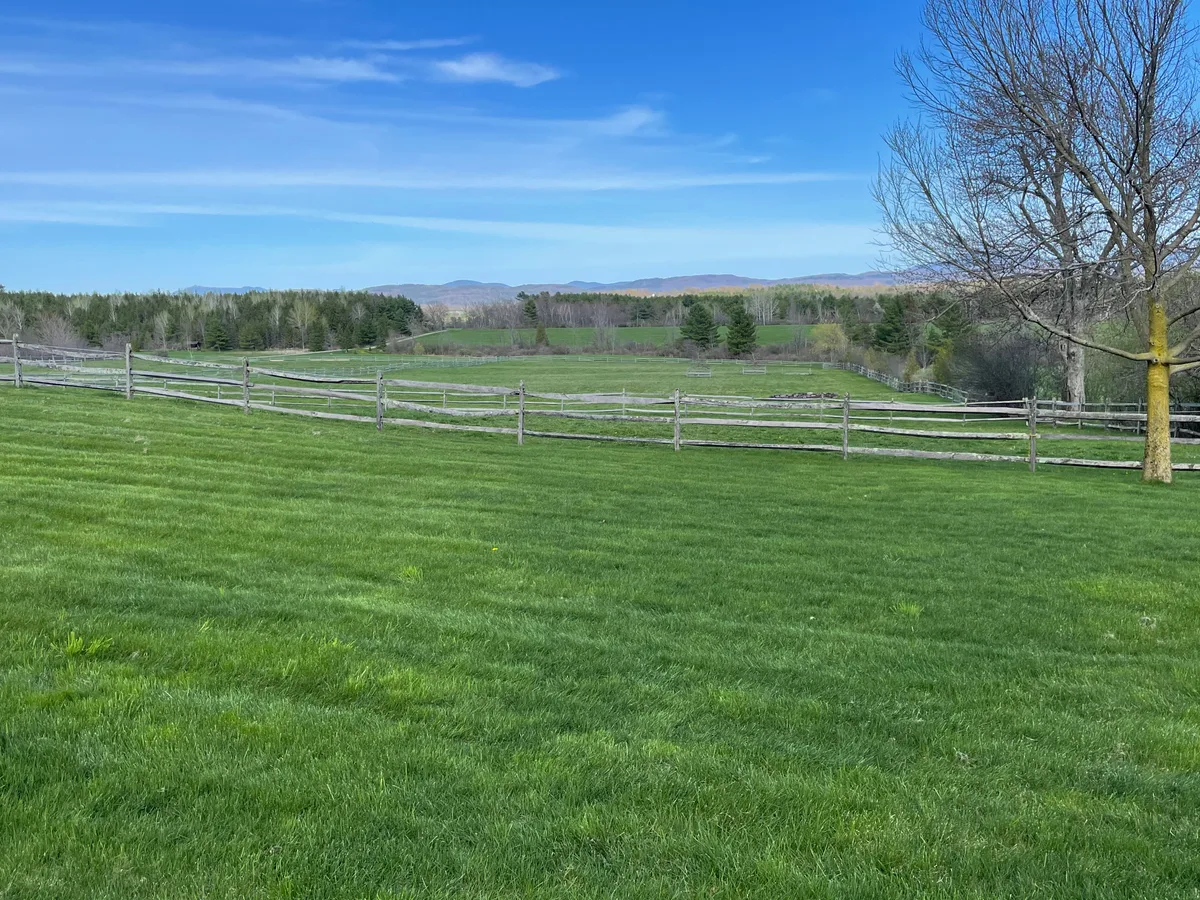
If your lawn in Concord, Manchester, or the Lakes Region never quite greens up the way you want, the answer is usually in the ground under your feet. Testing your soil tells you exactly what your lawn is missing so you can fix the cause instead of guessing. Here is when to do it in New Hampshire and why it matters.
Why Soil Testing Comes First
Lawns in New Hampshire deal with cold winters, late frosts, and soils that vary a lot from the Seacoast to the White Mountains. What works in Bedford may not be right for Holderness. A soil test shows your pH, major nutrients, and organic matter so you can feed your lawn the right way and avoid wasting time and money on the wrong fixes.
The Best Time to Test Your Lawn Soil in New Hampshire
Early spring, as soon as the ground is workable, is the best window. Once the frost is out and the soil is no longer frozen or soggy, you can pull a good sample. That usually means late March into April in southern New Hampshire and into May as you go north. Testing then gives you results in time to plan your first feeding and any amendments before the main growing season.
Fall is a solid second choice. Many homeowners in Merrimack County and Rockingham County test in September or early October. The soil is still warm and active, and you get a clear picture in time to adjust before winter and plan for next year.
When to Avoid Testing
- Right after you have applied fertilizer or other soil amendments (wait at least six to eight weeks)
- When the ground is frozen or covered in snow
- Right after heavy rain when the soil is waterlogged
What a Soil Test Tells You
A proper lab test will report pH, phosphorus, potassium, and often organic matter. In plain terms: pH affects whether your grass can use nutrients; too low or too high and the best feeding in the world will not help. Phosphorus and potassium support strong roots and stress tolerance, and organic matter helps the soil hold water and support healthy grass. Once you have those numbers, you can add only what your lawn needs.
How This Fits Into Organic Lawn Care
Chemical free lawn care works best when it is built on knowing your soil. At Complete Land Organics we start with The Organic Review, which includes soil testing and a full look at your site. We use that information to design a plan that fits your lawn and your goals, whether you want full service care or DIY options with guidance. No guesswork, no one size fits all.
Steps You Can Take Right Now
- Mark your calendar for early spring or fall when the ground is workable.
- Order a test from a reputable lab or schedule an Organic Review so we handle sampling and interpretation.
- Use the results to choose the right amendments and feeding schedule for your lawn.
- Retest every two to three years to track progress and adjust as needed.
If you are ready to start with a clear picture of your soil, get started here. We serve towns across New Hampshire from Belknap and Carroll Counties to Rockingham and Strafford, and we are happy to help you time your soil test and plan the next steps.