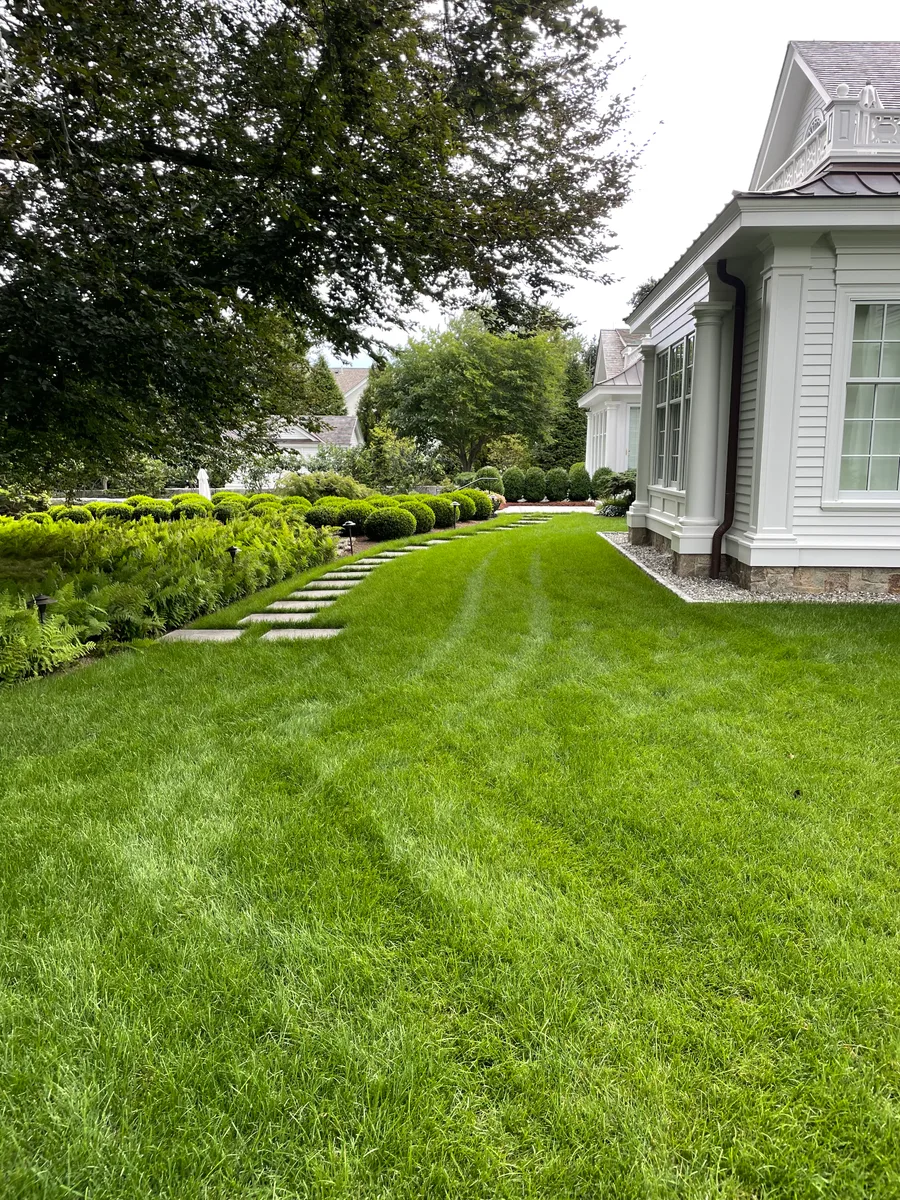
A Keene area homeowner notices white clover opening its flowers in June and assumes the lawn is doomed unless something harsh goes down. In most Cheshire County yards, clover is a signal, not a sentence. It often appears where grass is thin, soil is low in available nitrogen, or mowing stays too short for the grass to out compete broadleaf plants. You can thicken the lawn and calm clover pressure without reaching for a spray bottle.
Why Clover Shows Up in the First Place
Clover pulls nitrogen from the air and shares it below ground through roots that work with helpful bacteria. That talent helped old pasture mixes include clover on purpose. Modern suburban lawns favor grass only looks, so clover reads like a weed. It still tells the truth about site conditions. Compacted walkways, dog paths, shady edges along a Walpole fence line, or a Swanzey side yard that never gets full sun all favor clover over fussy grass. Soil tests often reveal low fertility or pH that locks up nutrients even when a bag fertilizer was spread in spring.
Culture Before Products
Start with habits. Raise mowing height so grass leaves shade clover seedlings trying to establish. Overseed thin areas in early fall when soil stays warm and nights cool off; that window works beautifully in southwest New Hampshire. Water deeply but not every evening, since constant surface wetness can favor other weeds while doing little for deep roots. Aerate compacted zones when the soil is moist, then top dress lightly with compost so new seed has contact. These steps cost time, yet they address why clover had room.
Neighbors in Jaffrey or Rindge sometimes ask if pulling clover by hand is worth the effort. Hand weeding can thin a small patch after rain when roots release easier, yet it rarely solves a full lawn that lacks density. The lasting answer is still to help grass out compete broad leaves with better mowing, timely seeding, and feeding tied to a soil test rather than a guess at the garden center.
Feed the Lawn, Not Just the Calendar
- Soil test every two to three years so you know whether nitrogen, potassium, or pH is the real limit.
- Choose organic fertilizers matched to those numbers so you are not guessing with store bought bags built for average lawns in other states.
- Avoid empty passes where product lands on pavement and washes toward storm drains in downtown Keene sized lots.
How Complete Land Organics Approaches Weedy Lawns
We do not promise clover will vanish in a weekend. We do promise a plan that builds grass density and soil health so unwanted plants face competition. The Organic Review combines lab results with a close look at shade, traffic, and how the irrigation or hose habits actually behave. From there, custom programs schedule visits and products, while do it yourself programs let you handle applications we specify.
Families often find our approach aligns with what they already value. If you read why pet owners choose chemical free lawn care, you know we prioritize yards where kids and dogs play freely. The same mindset applies when tackling clover without broadcast weed killers.
When Patience Is Part of the Job
Organic thickening happens over seasons. Spring green up may still show some clover while new grass establishes. Fall seeding results show the next spring. Clients who stay with the plan usually report fewer bare spots and less contrast between grass and clover patches. That visual shift matters if you sell a home in Marlborough or Dublin and want curb appeal without a sudden chemical reset.
Spot Seeding and Sun Truth
If heavy shade covers more than half the day, grass will always struggle and clover or moss will return no matter what you spray. Sometimes the honest answer is a mulch bed, native ground cover, or shade tolerant seed blend rather than fighting the tree canopy. We say that plainly during visits. Sunnier sections in Gilsum or Troy can carry a strong bluegrass blend overseeded each fall for steady improvement.
Tools for Learning More
Our blog collects seasonal articles. Soil timing guidance lives in when to soil test a New Hampshire lawn. Project photos are in the gallery, and happy clients speak on testimonials. General policies and common questions appear on frequently asked questions, and company background is on about.
- Identify sun hours honestly before buying seed.
- Fix grade or drainage pockets that keep moss and weeds in the same corner.
- Track mowing height all summer, not only in spring.
- Retest soil after major changes like new construction or tree removal.
Clover can be part of a transitional year while the lawn rebuilds. Some homeowners keep a little on purpose for pollinators and still maintain neat edges. Others want a uniform grass look. Either goal works if the plan matches your site. Start here to book a conversation, or contact us with photos. We serve New Hampshire statewide, including every town we list from Cheshire County through the North Country. Complete Land Organics helps you trade panic for a sequence of proven, gentle steps.